
This article summarizes the statistical data contained in a study in Arabic, which can be read at this link.
Contents of the Arabic study
The Refugees in Europe 2010-2016
Facts – Integration – Culture Shock
Alaa Aldin Alkhatib
12/08/2017
download as PDF
1 Refugees in Europe
1.1 Introduction
1.2 Basic clarification
1.3 The history of asylum in Europe since
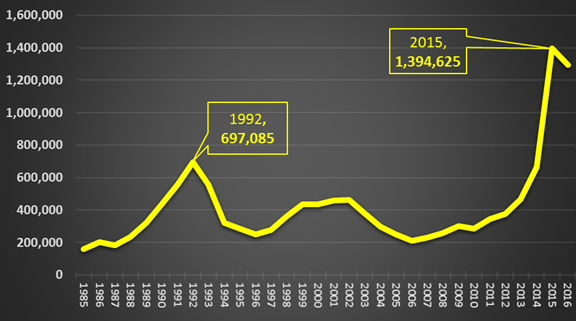
Figure 1 The annual refugee’s number in Europe since 1985. (Eurostat)
1.4 Refugees in Europe from 2010 to 2016
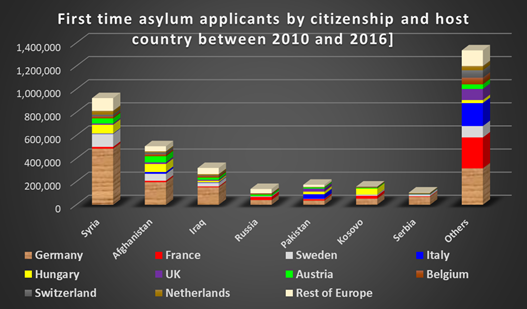
Figure 2 The AN-FTAA in Europe between 2010 and 2016, by the original country and the host country. (Eurostat)
1.4.1 Applications withdrawn
1.4.2 First refusal decisions
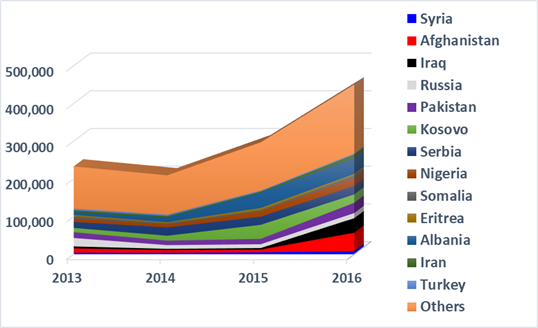
Figure 3 First instance decisions on applications – Rejected
1.4.3 Countries hosting refugees in Europe
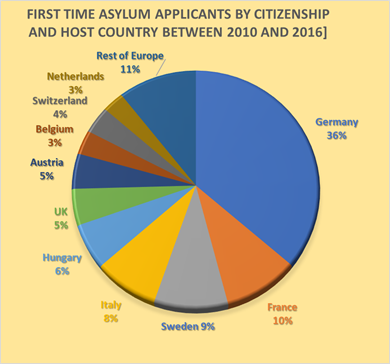
Figure 4
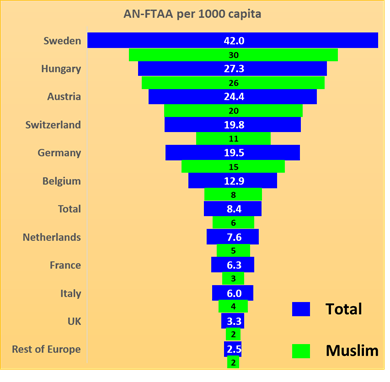
Figure 5 FTAA per 1000 capita (Hungary number is not reliable in my opinion). ref: Eurostat.
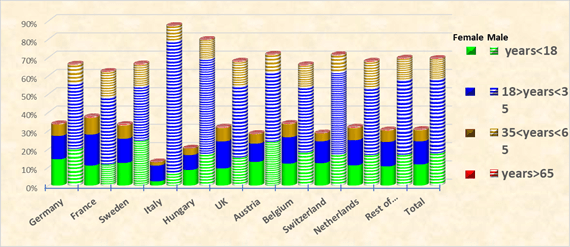
Figure 6 Age and sex of asylum during the study period. ref: Eurostat
1.4.4 Road of the Diaspora
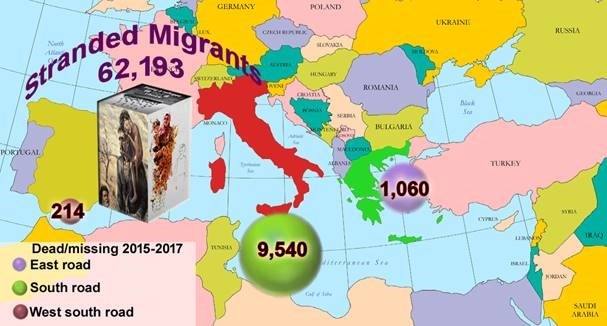
Figure 7
1.5 Economic impact on host countries
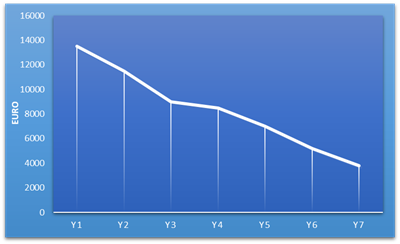
Figure 8 the average cost of an asylum in Sweden – Fiscal Policy Council- Report 2016
1.6 Social and demographic impacts
1.6.1 The social situation of new refugees in Europe
1.6.2 The Refugee family reunification
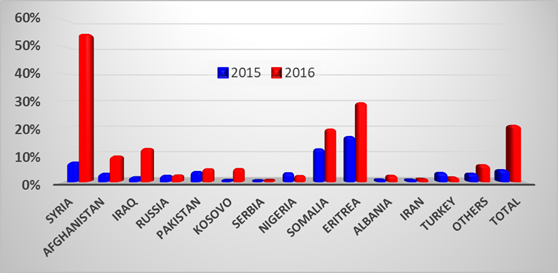
Figure 9 The percentage of subsidiary decisions relative to the total FTAA, ref: Eurostat.
1.6.3 Children
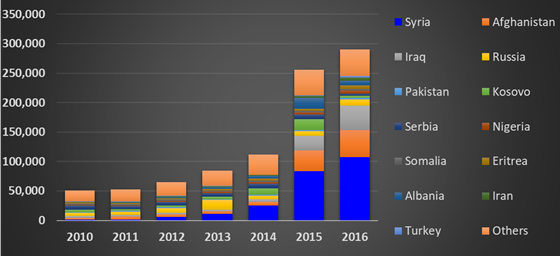
Figure 10 Asylum children in Europe by the original country. ref: Eurostat.
1.6.4 The Educational status of new refugees in Europe
1.6.5 The law violation and crime
2 Integration policies for migrants
2.1 Definition
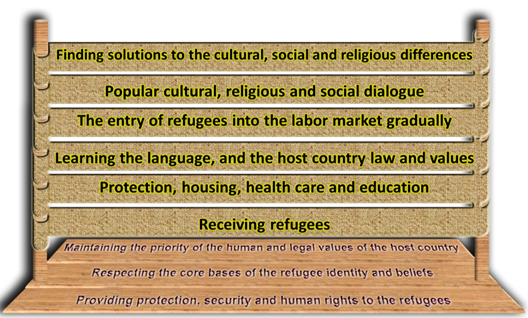
Figure 11 Integration Policy Bases.
2.2 Difficulties
2.2.1 Difficulties on the refugee side
2.2.2 Difficulties on the host side
2.2.3 Technical difficulties
2.2.4 Social, psychological and cultural difficulties [SPCDs]
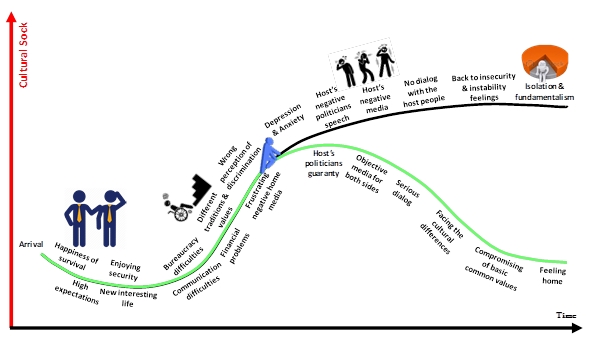
2.2.4.1 Cultural, social and psychological shock
2.2.4.2 Religion, customs and traditions of the refugees in front of the European liberalism
2.2.4.3 Conspiracy theory and its impact on the integration
2.2.4.4 Identity problem
2.2.4.5 Islam and terrorism
2.2.5 Refute the concerns of host communities and refugees
2.2.5.1 Refugees cause economic depletion and an increase in unemployment
2.2.5.2 Refugees threaten western culture as Islamic population
2.2.5.3 Europe’s reception of refugees is part of a global conspiracy against Arabs and Muslims
2.2.5.4 Why do people believe these „False “theories?
2.2.5.5 Why is it the Right?
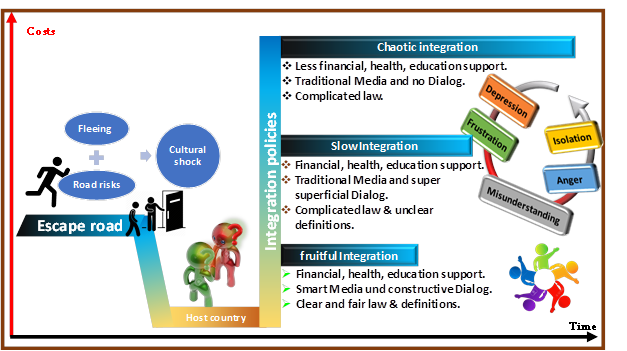
2.3 Means of support and success of integration policies
2.4 Conclusion
3 Syrian refugees in Europe:
3.1 Distribution of Syrian Refugees in Europe
3.2 Cost of Access to Europe
3.3 Characteristics of Syrian Refugees in Europe
3.3.1 Age and sex distribution of Syrian refugees
3.3.2 Educational level
3.3.3 Integration potential
3.3.4 Problems facing Syrian refugees
4 Conclusion
5 References
6 Annex


